
RECENT POSTS
17.April.2026
Whole Bean Coffee Flavor Notes: What to Expect from Single Origin vs. Blends
0 CommentsHow to Choose Coffee Beans for Your Brew Method at Home
Ever brewed coffee at home and wondered why the same beans taste amazing in a French press but just okay in a drip machine? The truth is, your brew method changes everything. The beans that work well for espresso are not always the best choice for pour-over or cold brew.
Roast level, grind style, flavor notes, and bean origin all play a part in the final cup.
Once you know what to look for, choosing coffee beans gets much easier and a lot more enjoyable.
Let’s break down how to match the right beans to your favorite brew method so every cup tastes better.
Key Takeaways
- Fast brew methods need beans that release flavor quickly.
- Longer brew methods allow more flexibility in roast level.
-
Medium roast coffee works for most homes.
- Fresh beans improve espresso and single-serve the most.
- Match flavor profile to how you actually drink your coffee.
8 Ways to Choose Coffee Beans Based on the Brew Method at Home
1. If You Own a Drip Coffee Maker
Drip coffee makers brew for several minutes with a steady water flow. That means beans stay in contact with water longer than espresso but shorter than cold brew.
Here are some tips to get the best cup of coffee:
- Medium roast coffee with balanced sweetness and moderate acidity. That’s because medium roast holds up throughout a full brew cycle without becoming bitter. It also avoids the sour taste that light roasts can create in basic home drip machines.
- If you drink your coffee black, look for beans with nutty or cocoa notes.
- If you add milk, choose beans with caramel coffee flavor tones. They blend smoothly and taste round instead of sharp.
- Avoid very dark, oily beans in drip machines. They can taste flat after longer brewing.
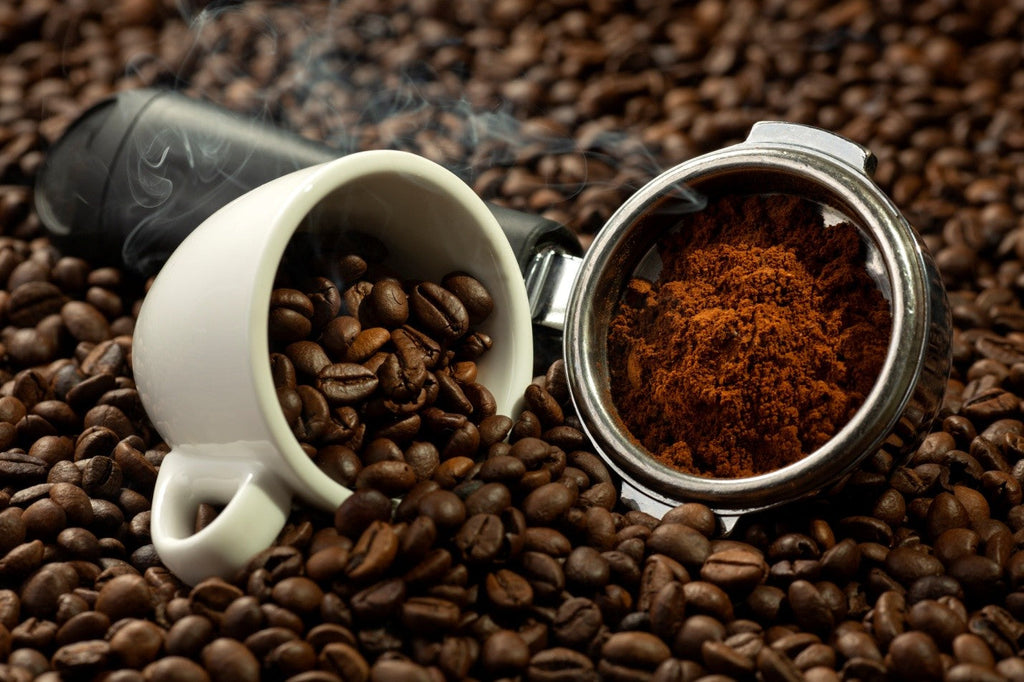
2. If You Have an Espresso Machine
Espresso machines brew fast and comparatively more under pressure. That’s because the water passes through finely ground coffee in about 25 to 30 seconds.
For the best brew, follow these guidelines:
- Medium- to medium-dark coffee beans, fresh and well-developed.
- Espresso needs beans that release flavor quickly. Slightly deeper roasts dissolve more readily under pressure, creating body and crema.
- Fresh roasted coffee matters most for espresso. Beans that are too old lose the natural gases needed for crema. Beans that are too fresh can taste unstable. A brief rest period after roasting helps balance the flavor.
- If you make lattes or cappuccinos, choose beans with chocolate or caramel coffee notes. Milk enhances sweetness and softens acidity.
Very light roasts are harder to dial in at home. They often require precise grinders and temperature control.
3. If You Brew with a French Press
The French press is immersion brewing as the grounds sit in hot water for several minutes before pressing. Follow these tips for the best selection:
- Medium roast coffee for smooth texture, or slightly lighter roast if you enjoy brightness.
- The French press keeps more natural oils in the cup. That increases the body. Medium roast works well because it creates a full mouthfeel without bitterness.
If you want a cleaner taste, choose washed processed beans.
If you want a heavier, fruit-forward flavor, choose natural processed beans.
Always grind coarse. Even high-quality coffee beans will taste muddy if ground too fine.
4. If You Use Single Serve Coffee
Single serve coffee systems brew quickly and use less water. Extraction time is short.
Choose This:
Medium roast coffee that extracts easily and evenly.
Pod coffee machines often struggle with very light roasts because they require longer extraction times to fully develop. Medium roast performs more consistently in fast brew systems, delivering balanced flavor in a shorter brew time.
Fresh roasted coffee makes a noticeable difference here. Since brew time is short, stale beans taste weak and flat immediately.
If you prefer a sweeter flavor without adding syrup, choose beans that naturally develop caramel-like notes during roasting. They tend to taste fuller and smoother in short brew systems.
5. If You Make Cold Brew at Home
Cold brew uses cold water and a long steeping time, often 12 to 24 hours. Here are tips to choose the right one:
- Medium to medium dark coffee beans with chocolate or nutty notes.
- Cold water reduces acidity. Medium and slightly darker roasts create smooth, low-bite flavor.
- Avoid extremely dark roasts. After long steeping, they can taste dull or overly bitter.
- Grind extra coarse to prevent over-extraction during the long soak.
6. If You Switch Between Two Brew Methods
Many homes use drip during the week and espresso or French press on weekends.
If you want one bag that works across machines:
- Balanced medium roast coffee with moderate acidity and natural sweetness.
- Medium roast coffee adapts well to drip, espresso, French press, and even single-serve coffee systems when the grind is adjusted correctly.
- Instead of buying multiple roasts, focus on grind size and dose first. Often, the beans are fine. The grind is the real issue.
7. If You Brew with a Pour-Over at Home
Pour-over brewing gives you more control than drip. You control the speed, the bloom, and the water flow. That means your bean choice matters even more. Selection tips:
- Light to medium roast coffee beans with clear flavor definition.
- Pour over highlights clarity. It separates flavors instead of blending them. If a bean has citrus, floral, or subtle caramel coffee notes, this method will bring them out.
- Avoid overly dark roasts. They can taste flat and one-dimensional in pour-over because this method exposes flavor detail.
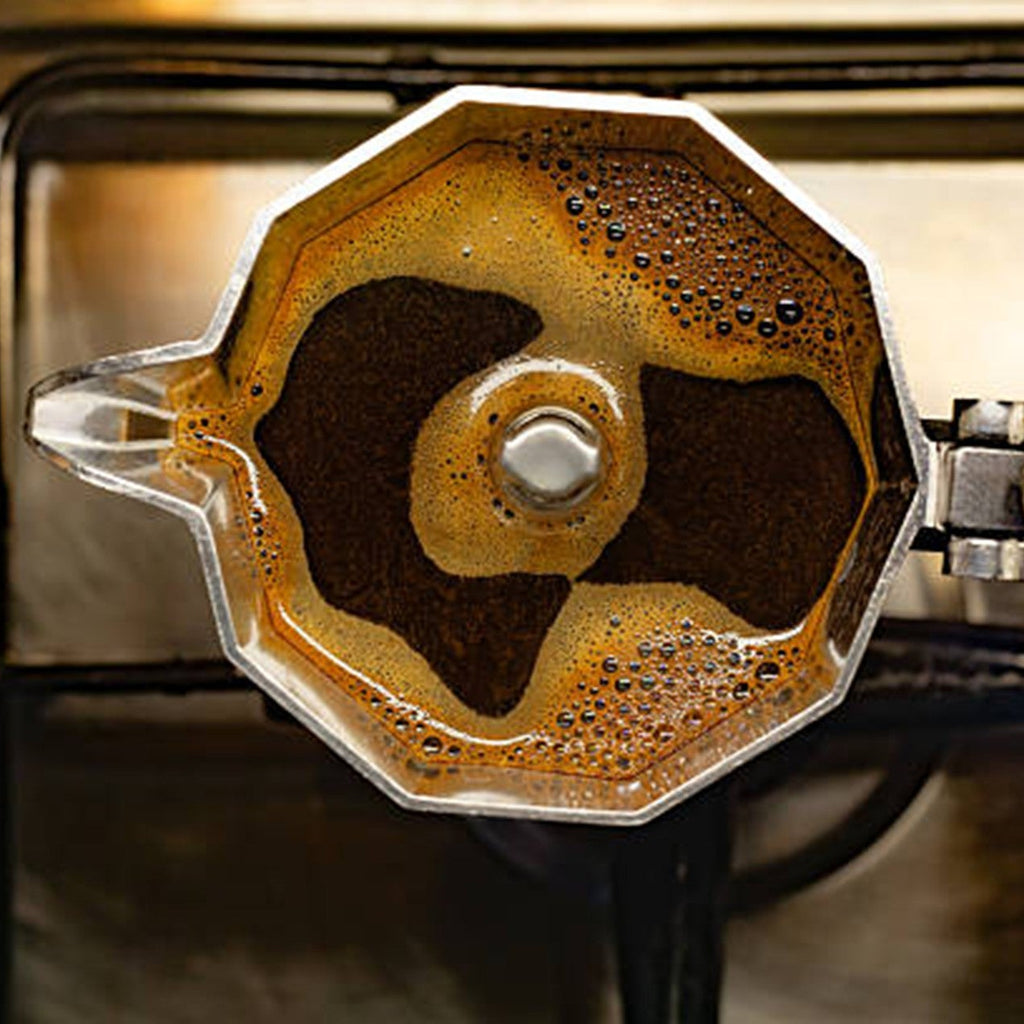
8. If You Brew with a Moka Pot at Home
Moka pots create pressure similar to that of espresso, but without full machine control, the brew is intense, concentrated, and bold. Tips for the right one:
- Medium to medium dark roast coffee beans with low acidity.
- Moka pots can exaggerate bitterness if the roast is too dark. But very light roasts often taste sharp because the pressure is uneven.
- Look for beans with chocolate or nut-based flavor tones. Caramel coffee profiles also perform well here because they stay smooth under concentrated brewing.
- Grind slightly finer than drip but not as fine as espresso. The goal is strength without harshness.
Final Thoughts
The smartest way to select coffee beans is simple. Finalize with your homebrew method, then choose the roast level, freshness, and flavor profile that support how that machine extracts.
When the bean matches the method, the difference shows in the first sip. Better balance. Better texture. Better mornings.
Look at your brewer first. Then choose your beans with purpose.
Ready to improve your next cup? Explore Hot Dogs Coffee to match the bean to your brew method and upgrade the taste.
FAQs
1. Can medium roast coffee work for most home brew methods?
Yes. Medium roast coffee is versatile and works well in drip, espresso, French press, and single-serve coffee systems with proper grind adjustment.
2. Why does my single-serve coffee taste sour?
It may be too light a roast for quick extraction. Single-serve coffee machines usually perform better with medium roasts.
3. Is caramel coffee always artificially flavored?
No. Caramel coffee notes often develop naturally during roasting as sugars caramelize.
4. How important is fresh-roasted coffee for home brewing?
Very important. Fresh-roasted coffee enhances aroma, crema, and overall flavor clarity, especially in espresso and single-serve coffee.
5. Do different Coffee Beans really change the taste that much?
Yes. Different Coffee Beans vary in density, roast level, and flavor structure. Matching them to your brew method makes a clear difference in your daily cup.


