
RECENT POSTS
17.April.2026
Whole Bean Coffee Flavor Notes: What to Expect from Single Origin vs. Blends
0 CommentsWhole Bean Coffee Storage: These Simple Changes Before Your Next Bag Goes Stale
You can buy great beans and still end up with a “meh” cup a week later. No, it isn’t your brewer; the fix is your coffee storage habits. A few minor tweaks in the coffee storage, like where you stash the bag and what you seal it in, can keep flavor locked in longer.
Key Takeaways
- Oxygen is the biggest flavor thief. The seal on your coffee storage matters more than you think.
- Keep coffee away from heat and light, even if the container looks nice on the counter.
- Skip the fridge. Humidity and food odors can quickly ruin coffee flavor.
- Freeze coffee only when you do it the right way, using airtight, portioned storage.
- Buy what you will actually use soon and keep the coffee whole until you are ready to brew.
Why Proper Whole Bean Coffee Storage Is Important
When roasted coffee goes stale, it’s not “spoiling” like milk. It’s slowly losing the aromatic compounds that give it a sense of life. Different environmental factors work together to flatten flavor. Think of it like an open bag of chips; nobody wants the last handful.
The Real Culprit Is Oxygen (and Time)
Once a bag is opened, oxygen starts stripping flavor day by day. That’s why proper coffee storage is necessary to limit air exposure as much as possible.
Light and Heat Speed Up Flavor Loss
Sunlight on a kitchen counter may look harmless, but it’s the best place to make coffee go stale. Coffee stored near windows, ovens, or stovetops loses freshness faster than you think.
Moisture Makes Everything Worse
Steam from kettles, dishwashers, and cooking can sneak into “closed” containers. Even small amounts of humidity can dull aroma and flatten taste quickly.
8 Simple Coffee Storage Changes to Stop Your Coffee from Going Stale
1. Choose a Container That Actually Works
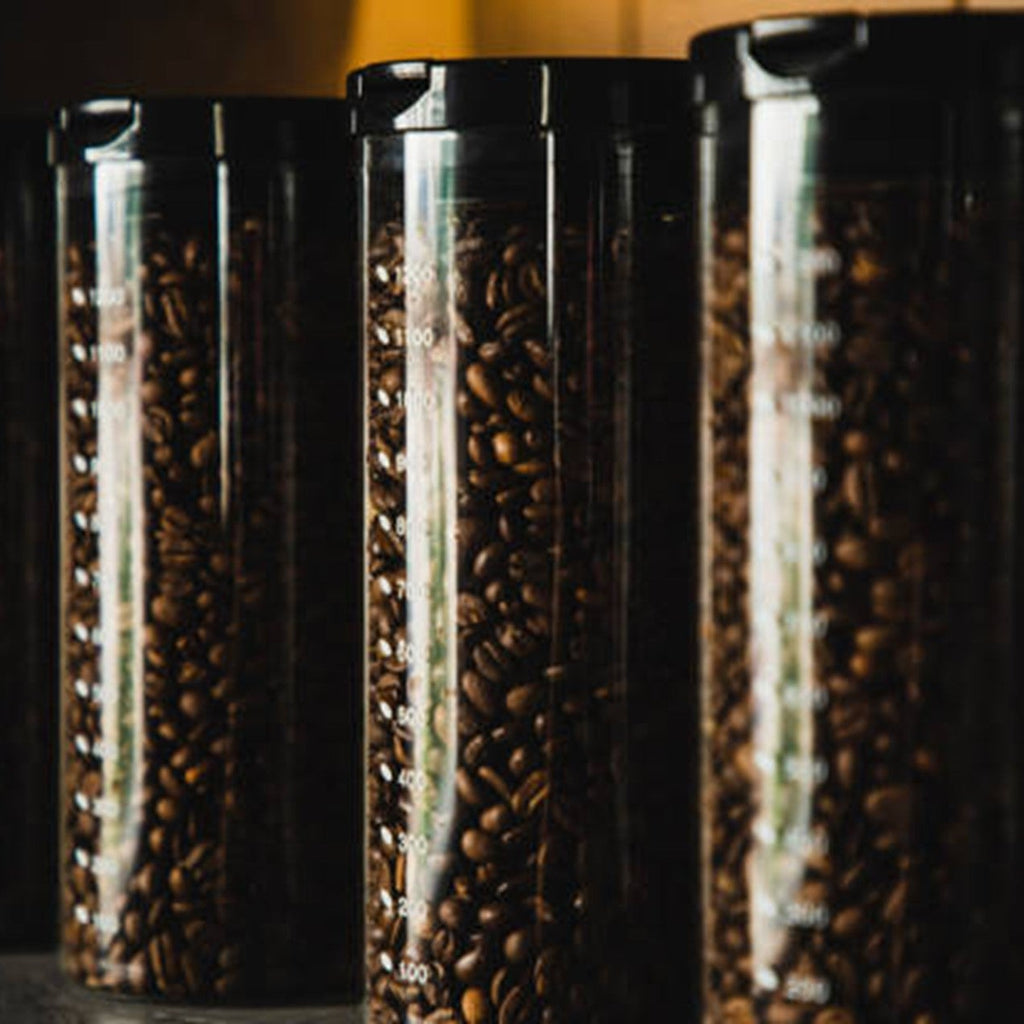
If you’ve been rolling the bag down and clipping it, you’re not alone—but it’s leaky. The goal is simple: air-tight, opaque, and sized right.
Airtight Beats “Pretty” Every Time
Look for a container with a proper gasket seal for coffee storage. If you can smell the contents through the lid, air is getting in. That’s a problem for freshness.
Match Container Size to Your Supply
A huge canister with a half-bag inside means extra trapped air. Use a container that fits your weekly routine, especially if you’re storing whole bean coffee for daily grinding.
2. Pick the Right Spot in Your Kitchen
Your storage spot for whole bean coffee should be boring. No sunlight. No heat. No drama.
Best Place Cool, Dark Cabinet
A pantry or cupboard away from the stove is usually the sweet spot. The less temperature swing, the better.
Worst Places: Countertop Display + “Near the Good Mugs”
If it’s within arm’s reach of the espresso machine, it’s probably also near warmth. Convenience is nice; freshness is nicer.
3. Stop Putting Coffee in the Fridge
This is the classic well-meaning mistake. Refrigerators are humid, full of odors, and are constantly opened.
Fridge Air Is Wet Air
Every open door brings moisture in. Coffee is absorbent, so it picks up that humidity and loses punch.
Coffee Is Basically a Smell Sponge
Garlic, onions, last night’s leftovers—coffee can absorb those aromas, and the next brew tastes “off.” If you’re working with roasted coffee, you want its aroma to be the star, not your fridge.
4. Freeze It the Right Way (When You Need To)
Freezing can be a lifesaver if you buy big bags, shop sales, or rotate a few roasts.
Portion and Seal Before Freezing
Divide coffee into small, airtight portions (enough for 3–5 days). Use freezer-safe bags or jars with minimal headspace and label the date. This keeps coffee beans tasting lively and prevents repeated exposure to air.
Thaw the Right Way to Avoid Moisture
Let frozen coffee come to room temperature before opening the container. Opening it while cold can cause condensation, which can introduce moisture directly onto the beans and speed up staling.
5. Buy the Right Amount for Your Real Life
Freshness has a calendar. If you buy a bag that lasts a month but drink two cups a week, you’re setting yourself up for a flat finish.
Think in “Brew Days,” Not in Pounds
If you brew daily, a larger bag of coffee beans makes sense. If you brew occasionally, smaller bags keep your last cup closer to your first cup.
Be Honest About Your Routine:
If you know you’ll forget the bag in the back of a cabinet, plan for that. Better to reorder more often than to choke down stale coffee out of guilt.
6. Grind Timing Matters More Than Most People Admit
You don’t have to be a coffee nerd to win at freshness—grind closer to brew time.
Keep It Whole Until You Need It
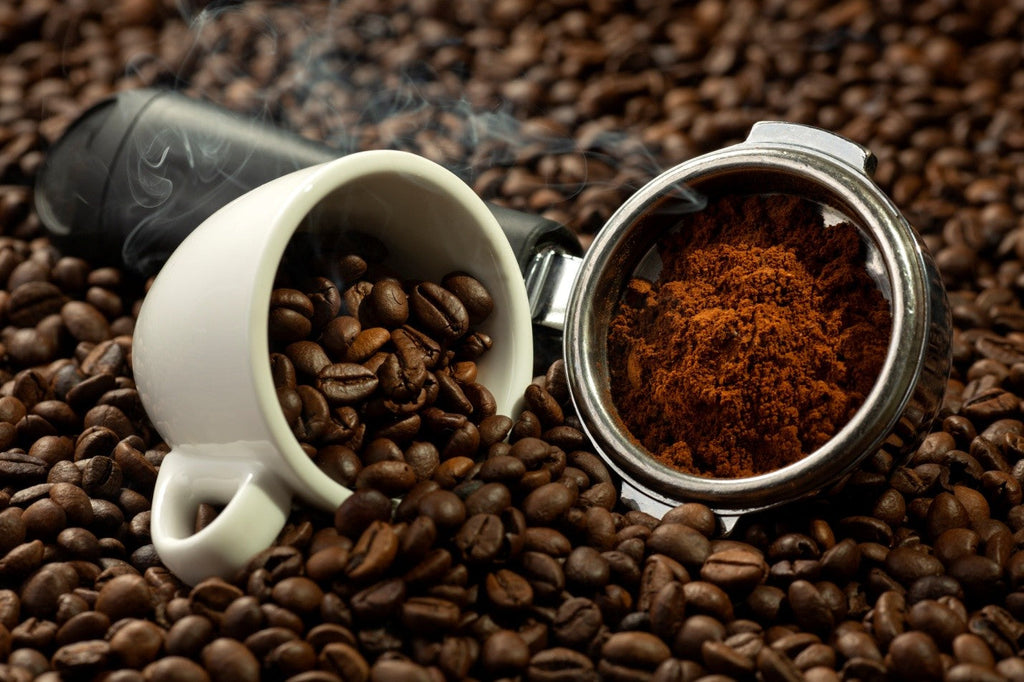
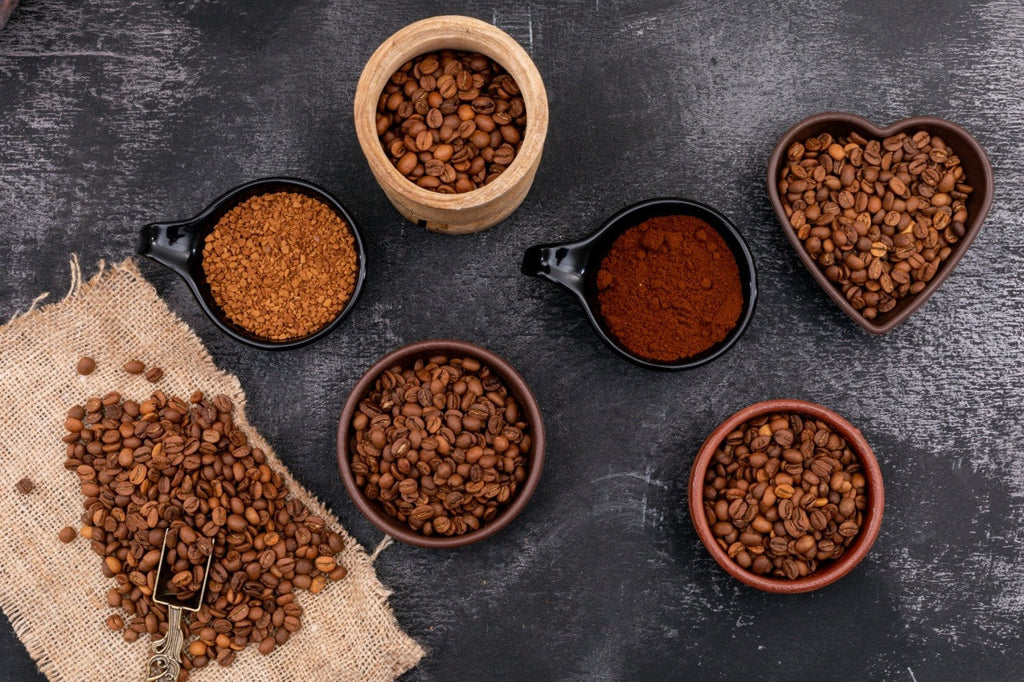
Grinding massively increases surface area, allowing flavor to escape faster. If you want your cup to stay punchy, keep it whole as long as you can.
Pre-Ground Isn’t “Bad,” It’s Just on a Faster Clock
If you buy roasted, ground coffee, keep it in a cool, dark coffee storage place and use it sooner. Think “week(s),” not “month(s).”
7. Roast Level Changes What You Notice When It Stales
Different roasts “fade” differently. That doesn’t mean one is better—it just means the flavor shift can feel more obvious.
Dark Roasts Can Lose That Bold Edge Quickly
With dark roast coffee, you may notice the flavor goes from rich to flat faster, especially if it’s sitting in a warm spot.
The Fix Is Still the Same Fundamentals
Airtight container. Cool, dark cabinet. Minimal air exposure. No fridge. That’s the whole playbook.
8. Reseal the Original Bag the Right Way
If you’re not transferring your coffee beans to a separate container, the original bag needs a little help.
Remove Excess Air and Seal Tightly
Before closing the bag, gently press out as much air as possible. Roll or fold the bag down firmly and secure it with a strong clip. Less trapped air means slower staling and better flavor retention.
Store the Sealed Bag in a Cool, Dark Place
Even a well-sealed bag cannot protect coffee from light and heat on its own. Keep it tucked away in a dark cabinet to maintain freshness, especially for whole bean coffee you plan to finish within a week or two.
Final Thoughts
You don’t need a lab setup to keep coffee tasting great. Keep it airtight, keep it cool, and don’t let moisture or air sneak in. Nail those basics, and your whole bean coffee storage routine will reward you with better aroma, better flavor, and far fewer sad, stale cups.
If you’re ready to put these storage tips to work, check out Hot Dogs Coffee's freshly roasted options. We also support animal rescue and welfare groups, so every purchase does a little good, too.
FAQs
How long does coffee stay fresh after opening?
It depends on your environment and how airtight your setup is, but most coffee starts losing noticeable flavor after the first week or two.
Is it ever okay to store coffee in the fridge?
Usually no. Refrigerators introduce humidity and food odors that can dull flavor. A cool, dark cabinet is almost always the better choice.
What’s the best container material: glass, plastic, or metal?
Metal or opaque containers work well because they block light, but the seal matters more than the material. Airtight always wins.
Can I freeze coffee for months?
Yes, as long as it’s portioned and truly airtight. Avoid repeatedly opening and closing the same frozen container.
Should I store coffee near my espresso machine for convenience?
If the area is warm or sunny, it’s not ideal. A nearby cabinet offers a better balance between convenience and freshness.


