
RECENT POSTS
17.April.2026
Whole Bean Coffee Flavor Notes: What to Expect from Single Origin vs. Blends
0 CommentsDark Roast Coffee Explained: Flavor Notes, Acidity, and Best Brew Styles
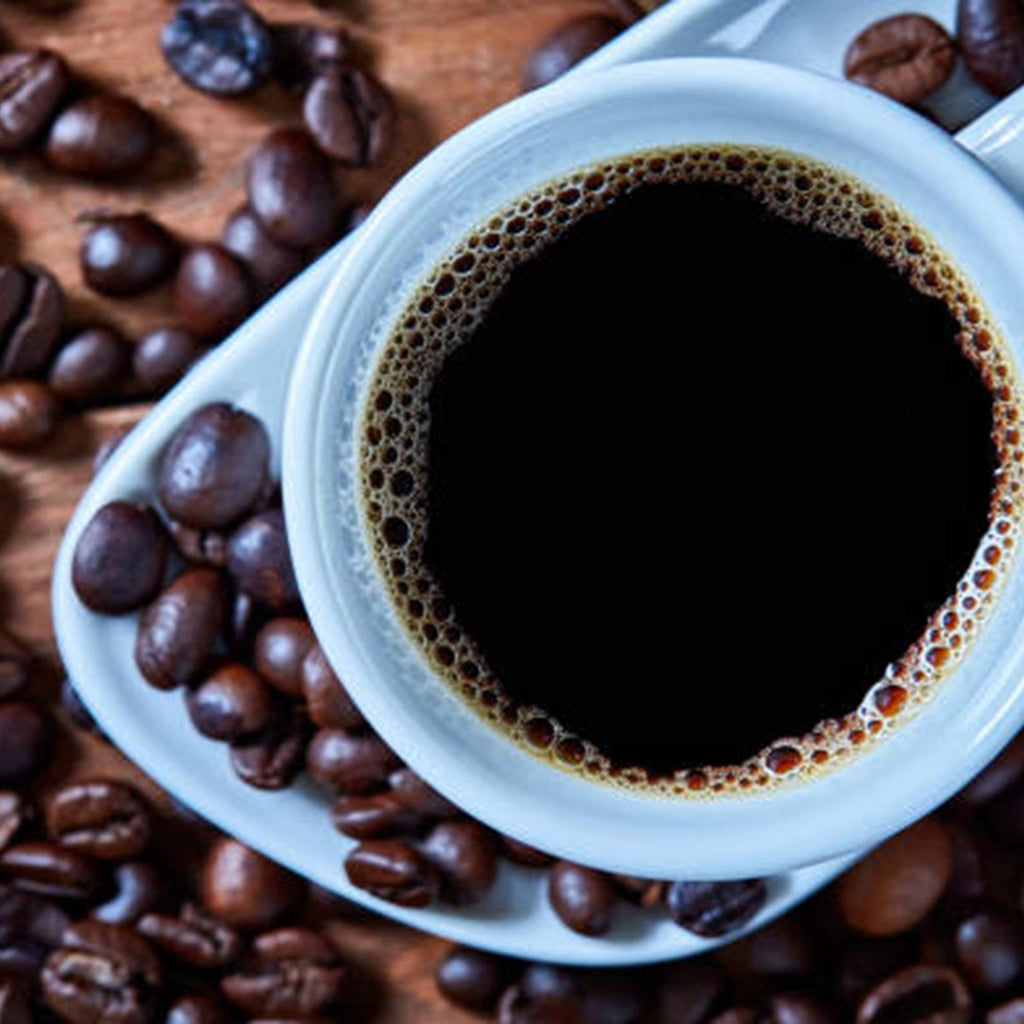
Do you love coffee that tastes bold, rich, and comforting, but still feel unsure what “dark roast” really means? Many people assume dark roast is just stronger coffee, but there is a lot more to it than that.
From smoky, chocolatey, and nutty flavor notes to lower acidity and fuller body, dark roast coffee has a personality all its own. It also shines best with certain brew methods that bring out its deep, smooth character.
Whether you enjoy French press, drip coffee, or espresso, let’s understand dark roast to help you choose and brew it with more confidence at home.
Flavor Profile of Dark Roast Coffee
Common Flavor Notes in Dark Roast Coffee
As beans roast longer, bright fruity notes fade, and deeper flavors take over.
Most dark roast coffee includes:
- Dark chocolate
- Toasted nuts
- Brown sugar
- Mild spice
These flavors feel smooth and steady rather than sharp. Instead of a tangy pop, you get a fuller, rounder taste that settles comfortably on your tongue.
Sweetness does not disappear during roasting. It transforms into a roasted sweetness, similar to toasted marshmallow or baked bread crust, giving dark roast its familiar warmth.
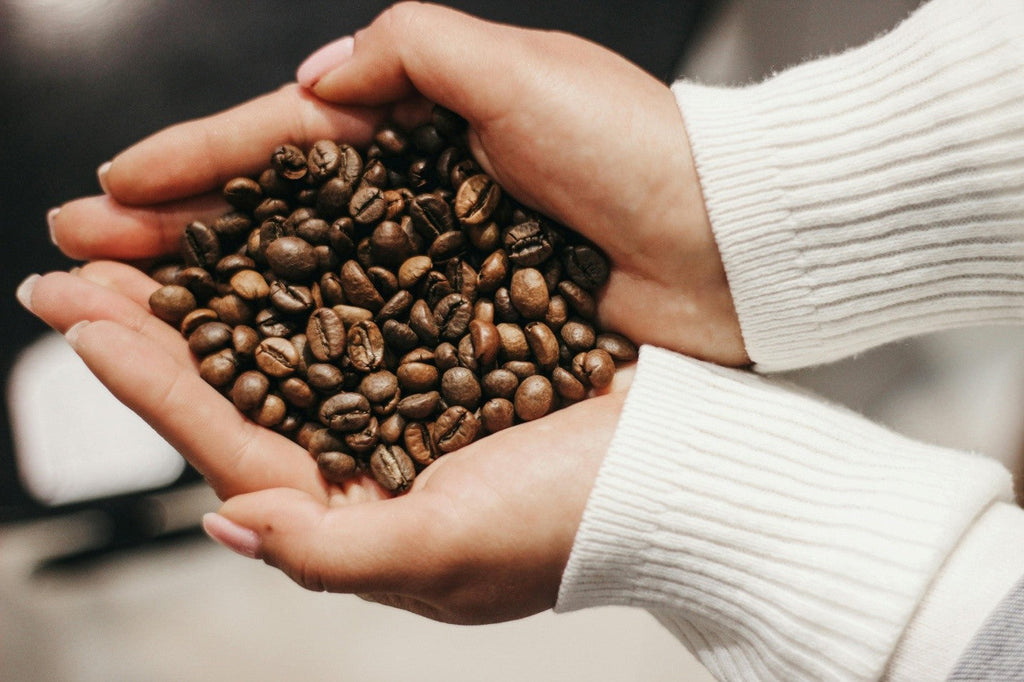
Grinding whole bean coffee just before brewing helps preserve these base flavors, while pre-ground coffee can lose aroma more quickly once exposed to air.
Smoky, Chocolatey, and Caramel Coffee Undertones
Beyond the main notes, dark roast develops subtle background flavors. As roasting continues, natural oils rise to the surface, adding soft smokiness, cocoa depth, and light caramel coffee warmth.
Smokiness should feel gentle and controlled, like warm wood rather than burnt toast. Caramel tones come from sugar caramelization and resemble brown sugar more than syrup.
This deeper structure helps dark roast pair well with milk since the flavor stays present. If the cup tastes ashy, the roast may be too dark or the coffee may have been brewed too hot.
Bitterness vs. Boldness: What to Expect
Bold means deep flavor. Bitter means sharp and unpleasant. They are different.
Dark roast tastes bold because roasting creates heavier flavor compounds. Bitterness usually comes from over-extraction, such as water that is too hot, grind that is too fine, or brew time that runs too long.
It may taste stronger, but its caffeine levels are very similar to those of other roasts. The intensity comes from flavor, not extra caffeine.
Acidity Levels in Dark Roast Coffee
Acidity Moves to the Background in Dark Roast
In dark roast, acidity does not disappear. It changes roles.
In lighter roasts, acidity leads the first impression. In dark roast coffee, it becomes supportive, sitting behind chocolate and roasted notes to keep the cup from tasting flat.
The goal is controlled acidity, not zero acidity. A slight trace keeps the profile lifted. If too much is lost during roasting, the coffee can taste dry or one-dimensional.
Why Some Dark Roasts Still Taste Sharp
Even with lower acidity, some dark roasts can taste unexpectedly sharp. Uneven roast development may leave some parts underdeveloped, preserving sharper notes, while overdevelopment can add dryness rather than smooth depth.
Origin matters too. High-grown, dense beans often retain more structural acidity, even when roasted dark. Water chemistry and freshness also influence perception, as minerals and aging can shift how acidity shows up in the cup.
How Acidity Affects Aftertaste in Dark Roast
Acidity influences how the coffee finishes.
When balanced, dark roast fades smoothly with a steady, rounded aftertaste. When the structure is off, the finish may feel dry or slightly harsh.
Lower acidity usually creates a heavier, lingering body instead of a crisp snap. The finish often reveals whether roast development and acidity are working together.
5 Best Brew Styles for Dark Roast Coffee
Brewing makes or breaks a dark roast. The goal is simple: highlight depth without pulling too much bitterness.
1. French Press for Full-Bodied Flavor
The French press retains the natural oils in your cup, enhancing both texture and flavor. To brew effectively, use a coarse grind and steep for approximately four minutes, pressing slowly and evenly. This method results in a thick body and rich, deep chocolate notes, making it perfect for those who appreciate a robust, heavy cup of coffee.
Storage Tip: Keep beans in an airtight container away from heat and light. Oxygen breaks down those flavorful oils quickly.
2. Espresso and Dark Roast Coffee: A Classic Match
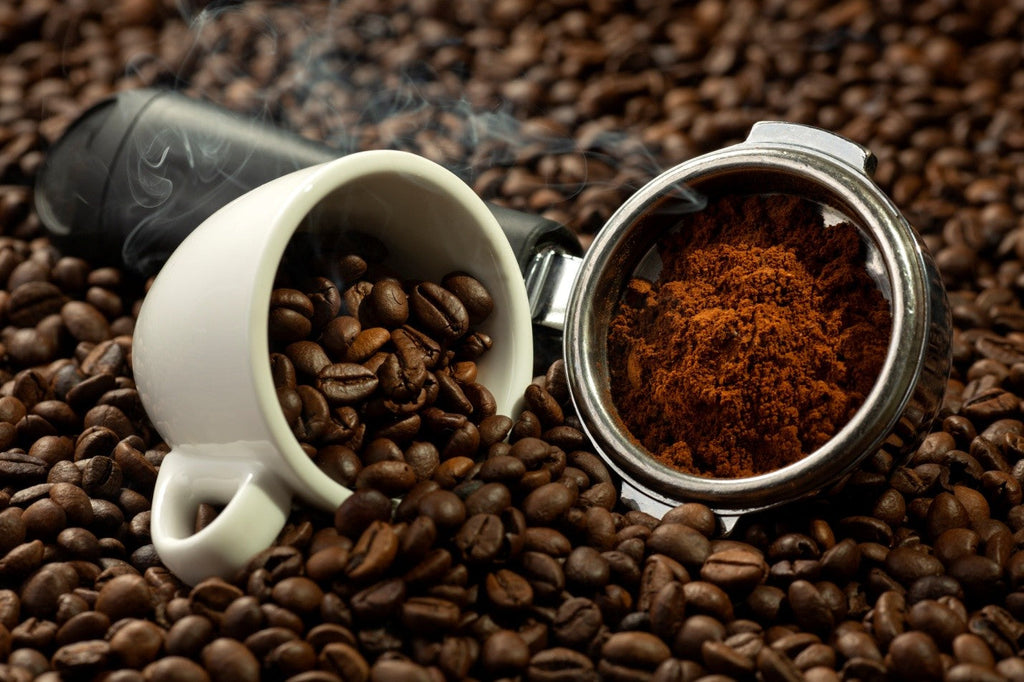
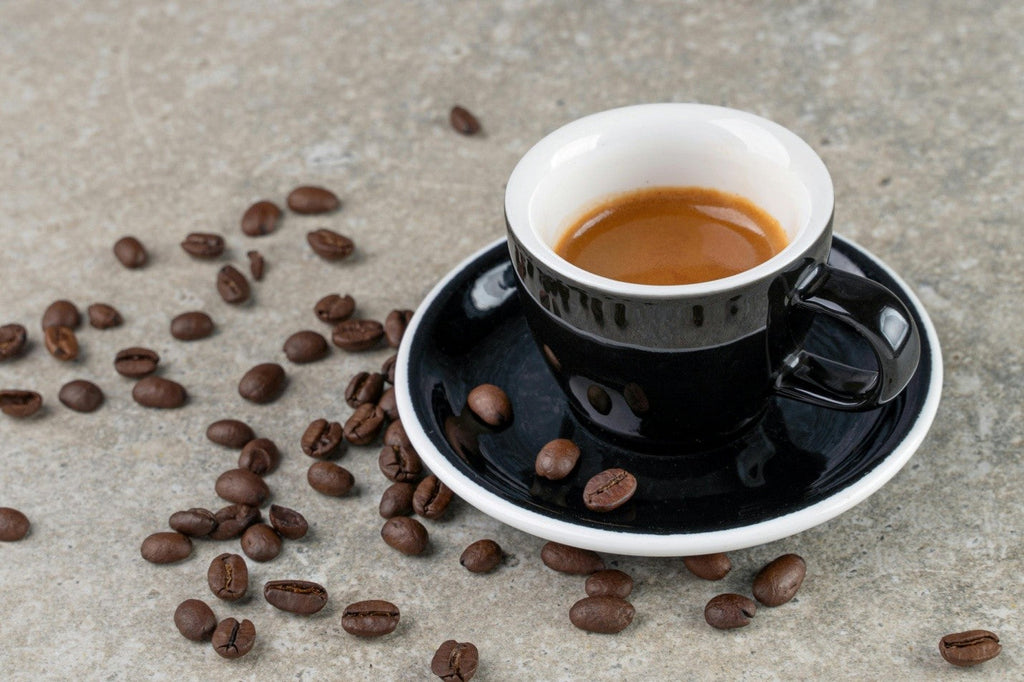
Dark roast coffee has gained popularity for espresso due to its ability to withstand pressure, resulting in a smooth shot with lower acidity that avoids sharpness. Its bold flavor profile pairs beautifully with milk, making it an ideal choice for drinks like lattes and cappuccinos. To maximize the quality of your espresso, it’s essential to use whole-bean coffee and grind it fresh and fine just before brewing; this not only enhances the crema but also elevates the aroma. Consistency in grinding is key, as even minor variations can significantly impact the overall taste of your espresso.
3. Drip Coffee Makers and Single Serve Coffee Options
Drip machines are common in American homes, and dark roast works well in them. Use a medium grind and water just under boiling, about 195°F to 205°F, to avoid bitterness.
If you prefer pod-based or single-cup systems, choose dark roast made for pressure brewing. Modern machines control heat better, helping keep flavor smooth.
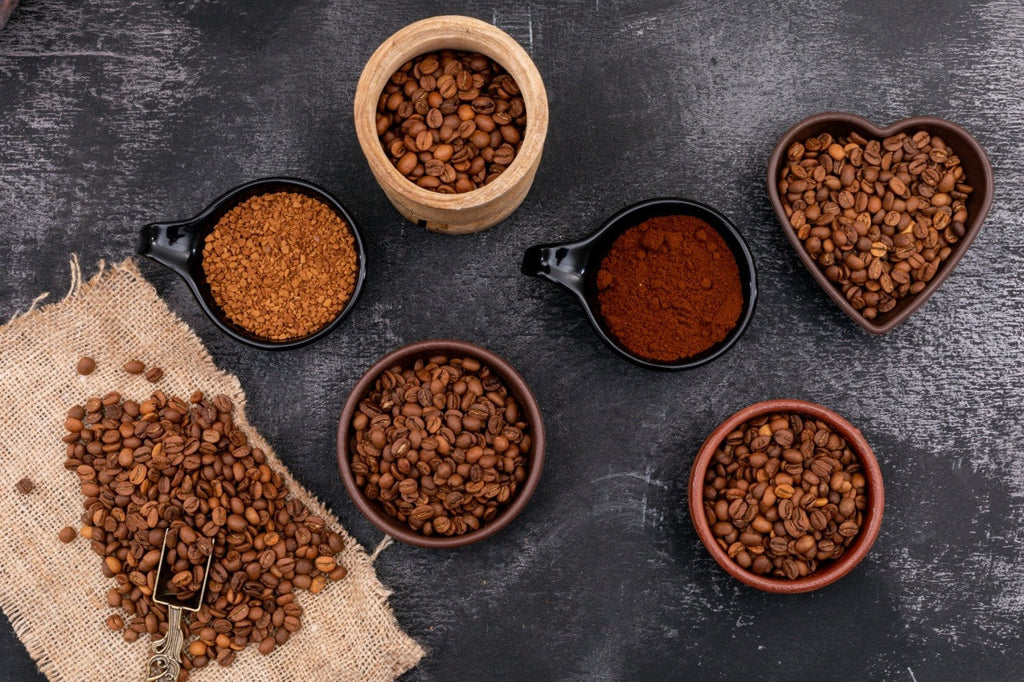
Whole bean gives more control over freshness and grind size. Pre-ground is convenient but loses aroma faster once opened.
4. Using Coffee Pods for Convenient Dark Roast Brewing
Coffee pods provide a quick and reliable brewing option, making them ideal for hectic mornings when every minute counts. Dark roast varieties tend to excel in capsules, as their robust flavors maintain a harmonious balance even under pressure.
5. Cold Brew with Dark Roast Coffee: Does It Work?
Cold brew coffee is an incredibly effective method that relies on time rather than heat to extract flavors. The beauty of using dark roast coffee, which naturally has a lower acidity, lies in the cold steeping process that makes the brew even smoother.
To prepare it, start with a coarse grind of coffee beans. Combine them with cold water and let the mixture steep for about 12 to 16 hours. After steeping, strain the coffee and refrigerate it.
The final result is a mellow, slightly sweet concoction that boasts a rich, chocolate-forward flavor, all without the sharp bite that often characterizes hot brews.
Final Thoughts
Dark roast coffee delivers deep flavor, lower acidity, and a smooth finish when handled correctly. It’s bold without being bitter. Whether brewed in a French press, a drip machine, or a single-serve system, success comes down to freshness and proper technique.
If you want rich taste without sharp acidity, dark roast coffee is a dependable everyday choice.
Explore Hot Dogs Coffee to get fresh coffee beans and enjoy the difference in every cup.
FAQs
Why does my dark roast coffee taste bitter?
Bitterness usually comes from over-extraction. Water that’s too hot, grind that’s too fine, or brew time that’s too long can pull harsh compounds forward.
Why does my dark roast still taste sour?
Sourness often means under-extraction. Water that isn’t hot enough or grind that’s too coarse can leave sharper notes behind.
Why does dark roast taste flat?
If too much acidity is lost during roasting, the cup can taste dull. A small touch of brightness keeps flavor balanced.
Does water affect dark roast taste?
Yes. Hard water can mute brightness, while very soft water can exaggerate sharpness. Filtered water helps maintain balance.
Why does dark roast leave a dry aftertaste?
A dry finish often results from over-roasting or uneven development, which can reduce flavor structure and balance.


